
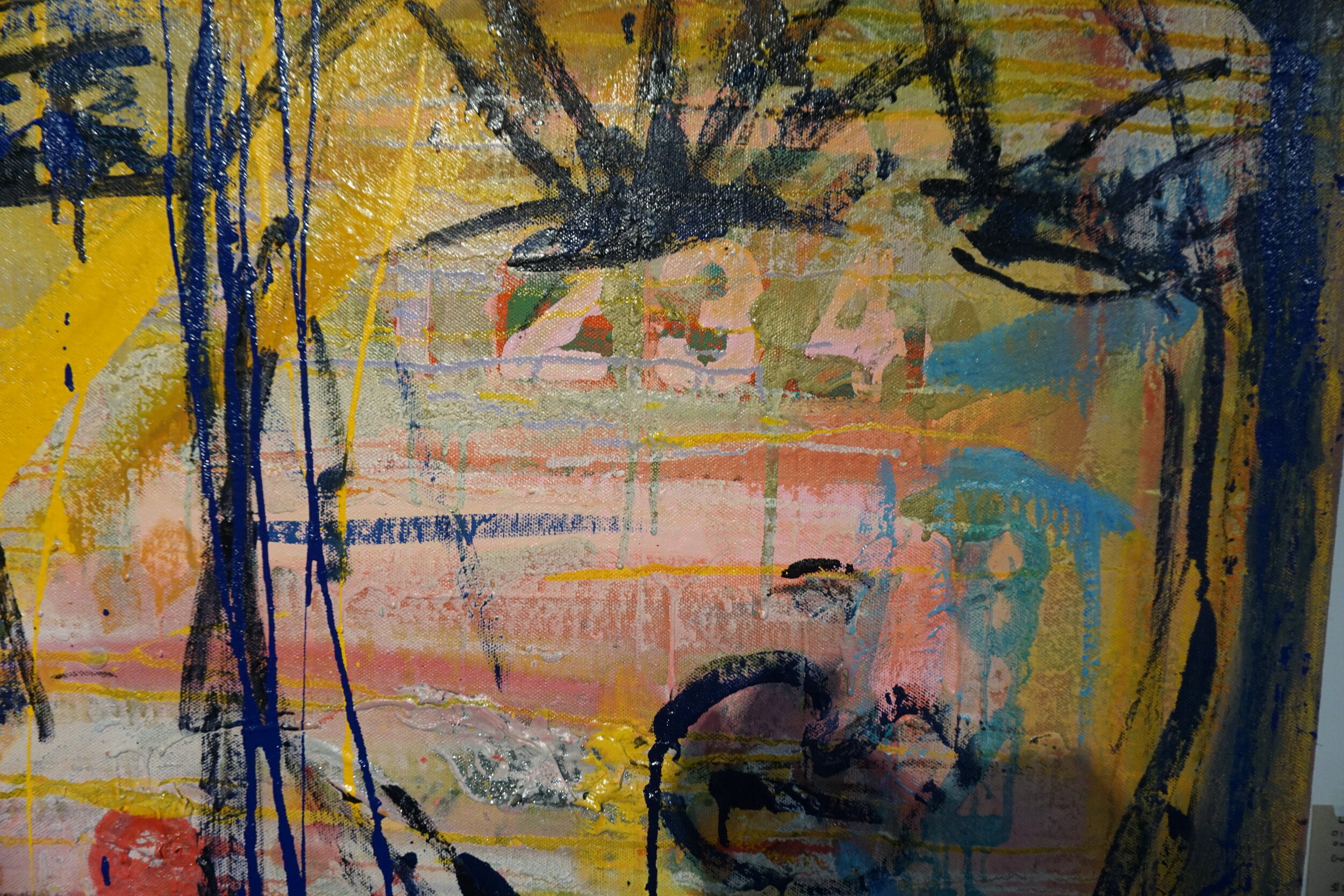
Art is a scam. A beautifully packaged, gloriously overhyped, disgustingly overpriced scam. And the best part? The bigger the scam, the more people beg to be part of it.
Max sells paintings. His father sold paintings. His grandfather did too. But Max plays big—New York, London, Paris. Globalized deception at its finest.
This week, he’s hauling two new “talents” to New York. He showed their work. He even showed the artists themselves. Both look like they have one foot in the grave. And that’s when the joke lands: “Once they die, these will be worth a fortune.”
Except that’s not how it works. The old myth of “death boosts value” is for amateurs. The real game is market manipulation so brazen, so elegantly criminal, that Wall Street looks like a charity fundraiser in comparison.
Here’s the trick. It doesn’t matter if an artist smears dog crap on canvas. If the right collectors start buying, flipping, and re-selling at inflated prices—through carefully staged auctions, of course—that artist becomes “valuable.” The game is rigged. Some anonymous “patron of the arts” bids millions for absolute garbage. A planted collector “fights” them for it. Boom—price validation. Art investment is born.
The blueprint is simple. First, a group of collectors quietly buys up an artist’s work, hoarding it like dragons on a pile of worthless gold. Next, one of them “releases” a piece at an auction house like Christie’s. A sudden bidding war erupts, seemingly out of nowhere. One piece sells for a ridiculous amount. A second one follows—double the price. By the third, it’s all-out insanity. By then, real investors and clueless rich idiots are hooked. They start buying in because “prices are skyrocketing!” That’s when the original schemers start dumping their stock, cashing out with returns that make crypto bubbles look like a joke.
Who do they prey on? Billionaire trust-fund kids who want to seem “cultured.” Oil sheiks who need a respectable way to launder money. Chinese investors looking for the next speculative goldmine. And of course, the classic—celebrities who want to prove they have taste.
Dead artists work best for this game. Their catalog is fixed—no nasty surprises, no sudden “new releases” to tank the market. Ten works exist, and that’s it. Perfect for controlled scarcity.
Try painting like Da Vinci all you want. Nobody gives a damn. Skill doesn’t matter. The only thing that matters is whether the right people are holding your work and whether they can spin it into a financial tornado.
Look at Banksy. The guy sprays stencils on walls, and suddenly it’s revolutionary? Please. There are thousands of kids in the Bronx who could do the same in their sleep. The difference? No one’s running a billion-dollar pump-and-dump with their graffiti.
Remember that exhibition of Banksy replicas at the Louvre? People lined up like they were waiting for the second coming of Christ. They paid real money to gawk at what? The same kind of stencils found on crumbling alleyway walls? But slap an art-world price tag on it, and suddenly, it’s genius.
And paintings? Too complicated, too costly. The real scam is installations. Trash heaps labeled as “art.” And the best part? The more meaningless, the better.
Look at Melania Trump’s latest “art investment ventures.” Or those absurd installations where someone piles up garbage and calls it a statement on consumerism. Suddenly, the market declares it’s worth $100,000. A beer can pyramid? A deconstructed Ikea chair? If it gets listed in the right catalog, congratulations—you just got played.
The beauty of the game is that even the scammed want in. The first wave of suckers—new money, clueless hedge-fund bros, tech billionaires—get fleeced. Then, instead of admitting they got conned, they turn around and do it to someone else. They buy galleries, hire art consultants, and start running their own pyramid scheme.
Modern art is the only industry where garbage turns into gold simply because the right people say so. It’s not about beauty. It’s not about history. It’s about power, control, and how far people will go to pretend they belong in a world that, deep down, they know is laughing at them.
